AI Adoption Split by Firm Size: 76% of Large, 27% of Small, Parliament Told
Source: NTUC
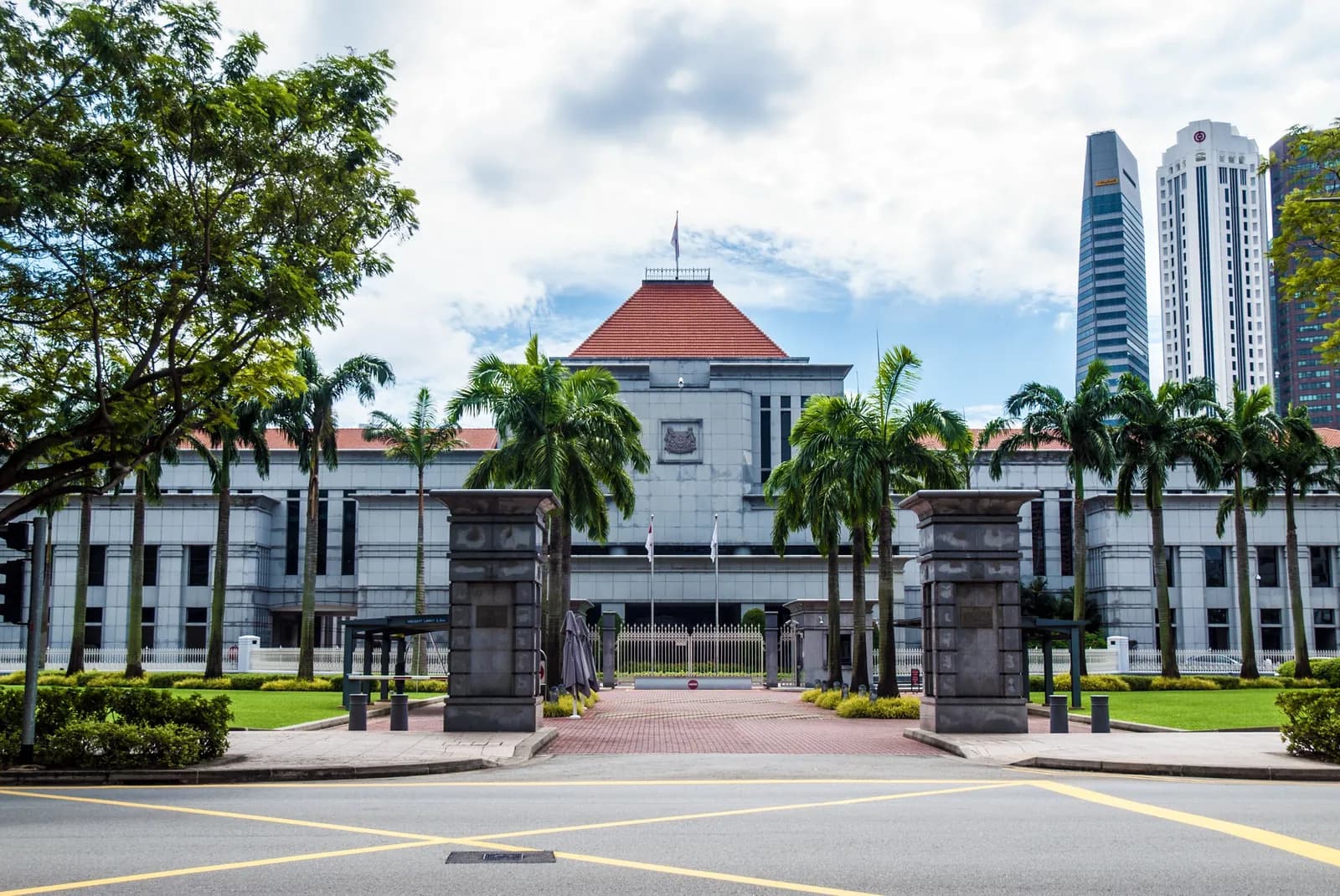
The question of how artificial intelligence reshapes Singapore's workforce has moved from think-piece territory to hard parliamentary numbers. During Parliament's Aug 4-5 sitting, NTUC Labour MPs pressed the government on the intersection of AI, retrenchment and worker support — and the written replies...
The question of how artificial intelligence reshapes Singapore's workforce has moved from think-piece territory to hard parliamentary numbers. During Parliament's Aug 4-5 sitting, NTUC Labour MPs pressed the government on the intersection of AI, retrenchment and worker support — and the written replies produced the clearest picture yet of how uneven AI adoption actually is across the economy. The headline figure: in 2026, more than 76 per cent of large firms have implemented AI initiatives, compared with around 55 per cent of mid-sized firms and just 27 per cent of small firms.
The exchange centred on GovTech's ongoing workforce transformation, which made 93 roles redundant in its first of three phases in July. Senior Minister of State Jasmin Lau — responding to Patrick Tay and Labour Nominated MP Sanjeev Kumar Tiwari — detailed the demographics: officers aged 40 to 49 made up 42 per cent of those retrenched or expected to be affected, around 30 per cent were aged 50 and above, and retrenched officers had a median tenure of 5.4 years. Lau said GovTech would shorten its exit duration after feedback that longer exits prolonged anxiety, and would improve communication on vendors and in-house capabilities in the remaining phases.
The AI data point is the significant one for the broader economy. A Ministry of Manpower survey cited in the replies found that most AI-adopting firms focused on job redesign, creating AI-related roles and redeploying workers, rather than cutting headcount. That is consistent with the government's line that AI adoption is a reskilling story, not a redundancy story — but the firm-size split shows the burden of transition falls most heavily on smaller businesses, which have the least capacity to redesign jobs. Lau also said MOM will consider strengthening the Tripartite Advisory on Managing Excess Manpower and Responsible Retrenchment as part of its ongoing Employment Act review.
For workers, the practical upshot is a layered support system: the Taskforce for Responsible Retrenchment and Employment Facilitation, Career Conversion Programmes under the Skills and Workforce Development Agency, and the SkillsFuture Level-Up and Mid-Career Pathways programmes. The debate also saw the Road Traffic (Miscellaneous Amendments) Bill 2026 passed, with Wan Rizal urging safeguards so stricter enforcement does not unfairly hit platform workers who drive for a living.
Why it matters for Singapore: The 76-versus-27 per cent split quantifies the AI divide the government's SME support schemes are trying to close — and the GovTech restructuring is the highest-profile case study of how a public employer handles the transition. With the Employment Act review ongoing and more GovTech phases ahead, the next two years will test whether Singapore's 'redeploy, don't retrench' approach holds up as AI adoption accelerates.