AI Mandates Fuel Rising Anxiety Among Singapore Workers, Study Finds
Source: The Business Times
Singapore's relentless push for AI adoption may be taking an unexpected toll on the very workforce it aims to empower. A Telus Mental Health Index survey of 1,000 Singapore workers, conducted between February and March 2026, found that those under pressure to use AI score markedly worse.
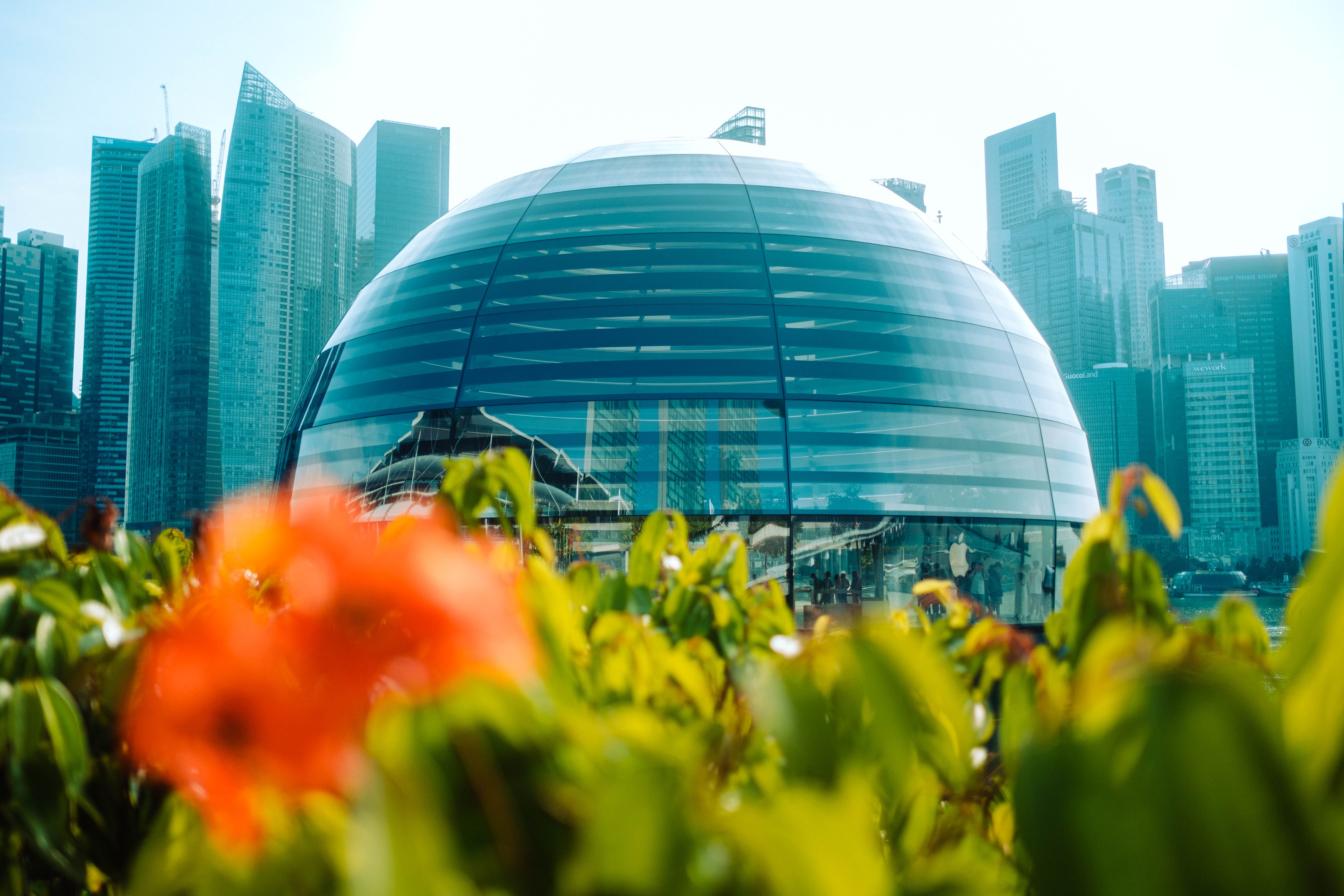
Singapore's relentless push for AI adoption may be taking an unexpected toll on the very workforce it aims to empower. A Telus Mental Health Index survey of 1,000 Singapore workers, conducted between February and March 2026, found that those under pressure to use AI score markedly worse on mental health metrics than colleagues who face no such mandates. The national mental health score sits at 62 — flat since September 2025 and firmly in the "strained" range, with anxiety (53.4), work productivity (53.0), and isolation (54.6) all plumbing near four-year lows.
The data reveals a clear paradox. Workers whose employers actively encourage AI use — some 61 percent of the workforce — average a mental health score of 63.7. But the five percent whose jobs involve no AI tools or pressure whatsoever score highest at 64.3. The worst-off group, scoring just 52.2, are the three percent whose employers actively discourage AI use, suggesting that being locked out of the AI economy creates its own anxiety. "For a country as technologically evolved as Singapore, it can feel like another trend to stay ahead of," said Haider Amir, Director of Asia at Telus Health.
The study also flags a looming retention crisis. Over half the workforce — 53 percent — is either actively planning to leave or uncertain about staying, with those intent on leaving recording the worst mental health scores and losing an estimated 21 extra productivity days per year. Singapore's traditional workplace strengths of discipline and hierarchy, Amir noted, clash with the "experimental agility" that an AI-driven era demands, creating systemic friction that organisational support structures have yet to address.
Perhaps most striking is the vulnerability divide. Workers in firms with supportive cultures score 66.2 — 23 fewer lost productivity days annually than those in unsupportive environments. But self-employed workers and sole proprietors, who lack institutional safety nets, registered the lowest scores of any segment at 56.0. "When the broader discourse surrounds trading people for machines, the fear hits hardest on those with the least financial cushion," Amir said.
Why it matters for Singapore: The findings arrive as Singapore positions itself as ASEAN's AI leader, with government initiatives pushing adoption across every sector. But the Telus data suggests that mandate-driven AI rollouts without adequate wellbeing infrastructure risk creating a two-tier workforce — those equipped to thrive alongside AI and those left anxious and disengaged. For policymakers and HR leaders, the signal is clear: adoption speed matters less than the support structures that surround it.