OpenAI, Google Sold AI Access to Blacklisted Chinese Firms via Singapore
Source: Il Sole 24 Ore (via Financial Times)
The Financial Times has revealed that OpenAI and Google supplied advanced AI model access to Singapore-based subsidiaries of Alibaba, Baidu, and Tencent — three Chinese tech giants blacklisted by the Pentagon. Both companies confirmed the arrangements, which are legal under current US export rules b
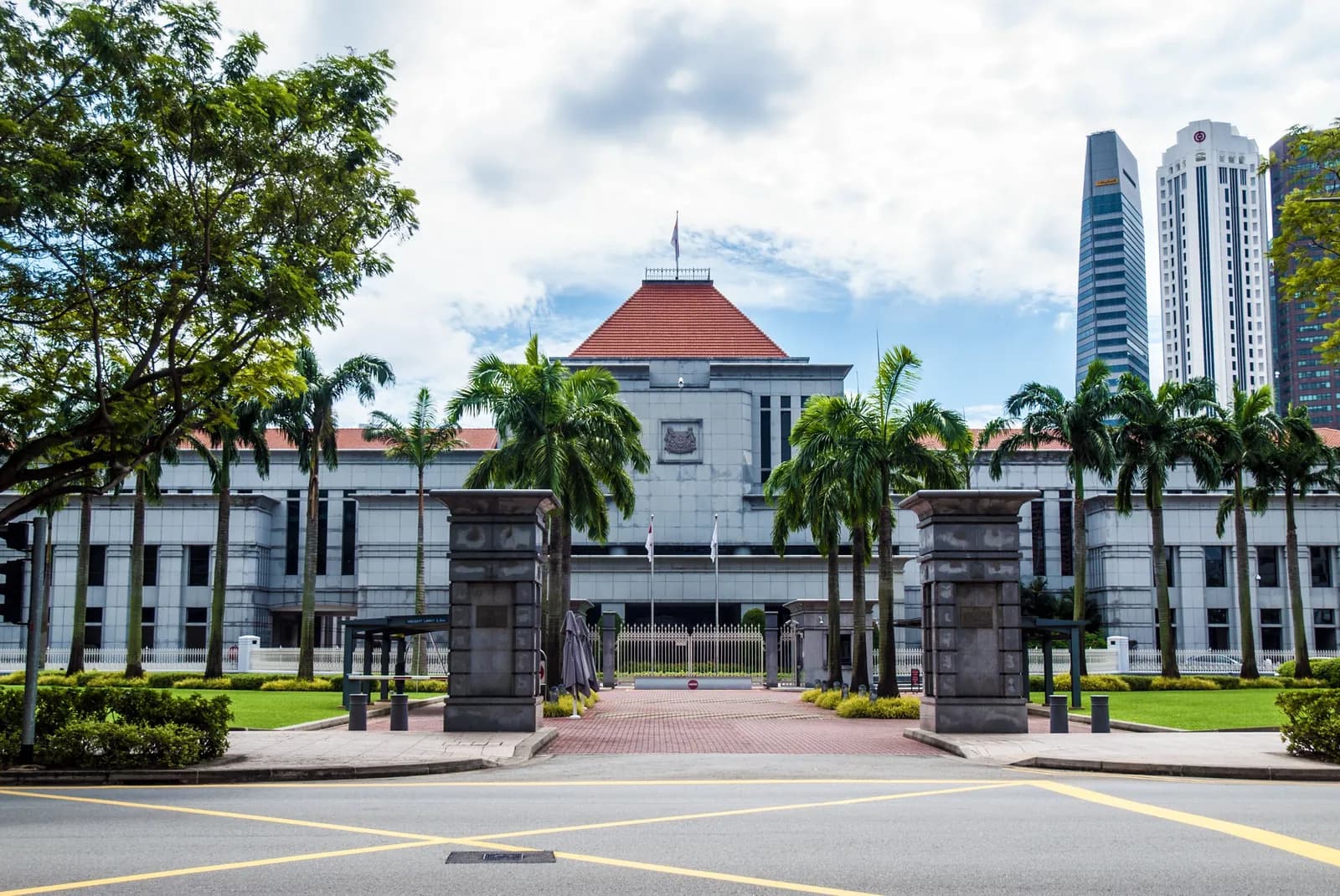
The Financial Times has revealed that OpenAI and Google supplied advanced AI model access to Singapore-based subsidiaries of Alibaba, Baidu, and Tencent — three Chinese tech giants blacklisted by the Pentagon over alleged military links to the People's Liberation Army. Both companies have confirmed the arrangements, which are legal under current US export rules but have reignited debate about whether AI software should face the same restrictions as advanced semiconductors.
OpenAI stated that it does not allow direct access to its models from within China, but does authorise "certain companies" based in or owned by Chinese entities to use its tools in countries where it can implement security measures and monitor misuse. The company announced it had suspended API access for users affiliated with Alibaba last month after detecting suspected model distillation — a technique where developers use one model's outputs to train a competing one — and reported the matter to the US government. Google confirmed its AI services are available in Hong Kong and Singapore under standard terms of service, which explicitly prohibit distillation.
The Singapore connection is central to this story because the city-state operates as a neutral jurisdiction where US AI companies can legally serve Chinese-owned entities. Unlike semiconductor export controls, which restrict physical hardware shipments to blacklisted entities, AI model access through APIs remains in a regulatory grey zone. US law currently restricts access to cutting-edge models like OpenAI's GPT-5.6 and Anthropic's Mythos but does not impose a blanket ban on supplying AI software to Chinese companies even when they appear on the Pentagon's 1260H list.
Experts warn this represents a significant loophole in America's strategy to contain China's AI development. Chris McGuire, a technology and security expert at the Council on Foreign Relations, argues that the most advanced AI models should not be made available to companies based in China regardless of the jurisdiction through which they access them. Anthropic has already taken the hardest line, banning Chinese companies and their overseas subsidiaries from using its advanced models — though it acknowledged enforcement difficulties and recently announced new measures to close loopholes exploited by Chinese firms.
Why it matters for Singapore: This story places Singapore at the centre of the most sensitive geopolitical debate in AI. The city-state's role as a neutral hub for global tech operations means it will continue to be the jurisdiction through which these cross-border AI transactions flow. For Singapore's regulators and tech community, the question is whether local rules need to adapt — or whether Singapore should proactively position itself as a responsible intermediary with clear guardrails, rather than letting Washington and Beijing dictate the terms of engagement. The answer will shape Singapore's AI landscape for years to come.