Singapore Semiconductor Firms Accelerate US Expansion on AI Chip Demand
Source: The Straits Times
Singapore semiconductor equipment makers including Ecsal Technologies, Visiontec, and AEM are accelerating their US expansion, opening facilities near Silicon Valley to capture surging AI chip demand. Product cycles have shrunk from two years to six months.
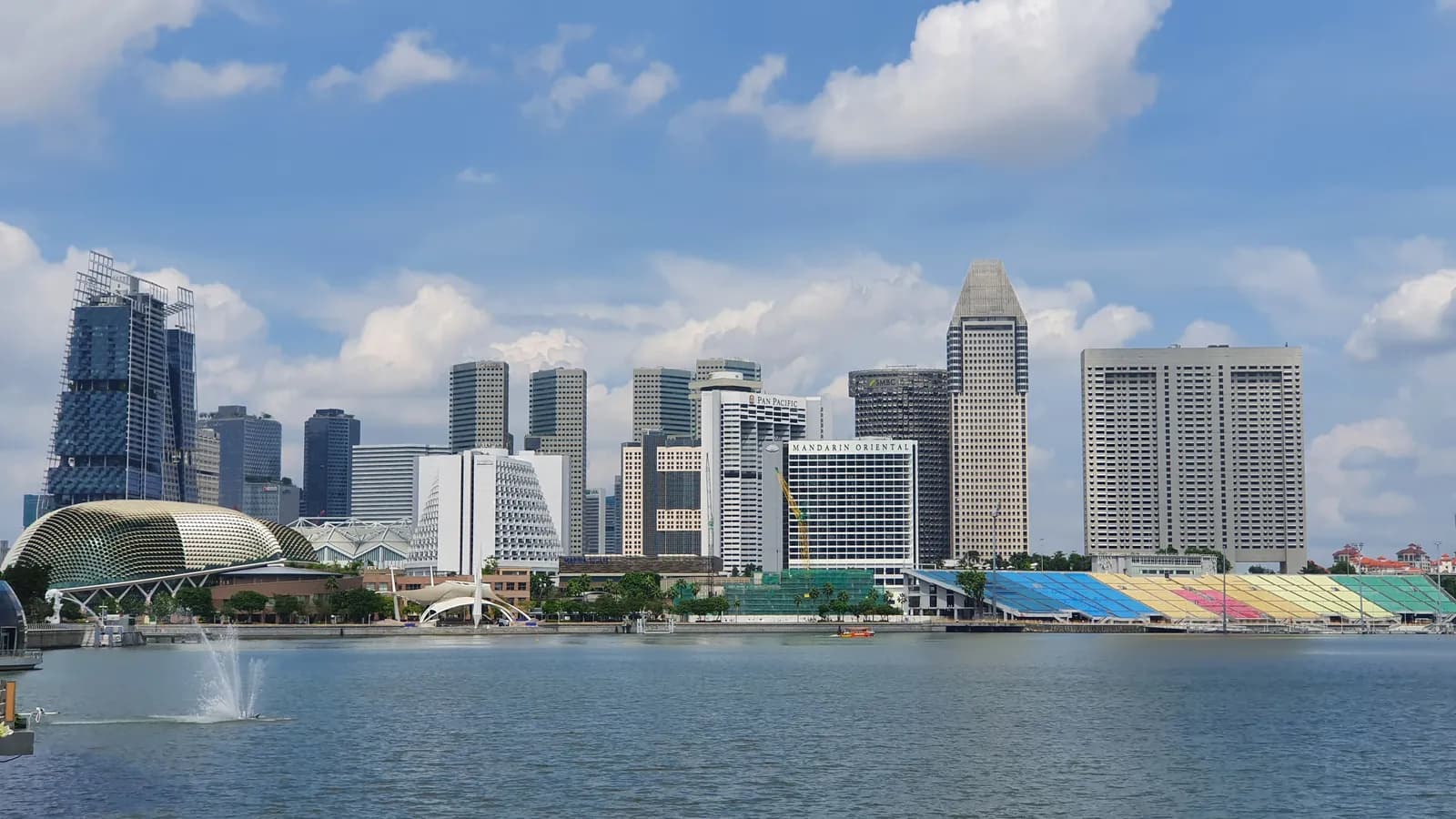
Singapore semiconductor equipment makers are charging into the United States at an accelerated pace, opening facilities and ramping up hiring to capture surging demand for advanced chips powering the global AI boom. Companies including Ecsal Technologies, Visiontec, and AEM are setting up US operations close to Silicon Valley to stay competitive as product cycles shrink and AI-driven chip architectures grow more complex.
Ecsal Technologies, a specialist in advanced semiconductor packaging equipment, is scouting locations in Texas for a new facility and plans to double its US headcount by the end of 2026. Managing director Edmund Chua noted that product refresh cycles have compressed from two years to just six months, reflecting the breakneck pace of AI hardware innovation. Visiontec, which makes wafer defect inspection systems, set up a business development office in El Dorado Hills last November and is actively evaluating sites in California, New Jersey, or North Carolina for a dedicated testing platform. The company counts Nvidia, Broadcom, and Intel among its clients. AEM, a testing equipment provider, has established a sales office and R&D centre in Carlsbad, California, and expects revenue to climb from roughly US$399 million in FY2025 to between US$550 million and US$600 million in FY2026, driven partly by what it calls the "structural tailwind" of agentic AI.
The push comes as the US semiconductor industry accounts for just over half of global chip sales, making it an indispensable market for Singapore-headquartered firms. But the expansion is not without challenges — talent recruitment in the US remains a persistent hurdle, and operating costs are significantly higher than in Singapore. Still, the companies argue that once a foothold is established, the barriers to entry become a durable competitive advantage.
What is striking is how these firms are not just following demand but positioning themselves at the centre of the next wave of AI infrastructure. AEM's high-parallel testing capability — handling up to 80 high-power devices simultaneously — is designed for the kind of dense, energy-intensive chips that will power everything from data centres to humanoid robots. With GlobalFoundries and Micron also deepening their Singapore-linked AI investments, the city-state is quietly becoming a critical node in the US-bound semiconductor supply chain.
Why it matters for Singapore: The expansion of homegrown semiconductor firms into the US market signals that Singapore is no longer just a manufacturing hub for foreign chipmakers. Companies like Ecsal, Visiontec, and AEM are building globally competitive technology businesses that anchor high-value engineering jobs — and intellectual property — in Singapore, while still capturing growth from the world's largest AI market.