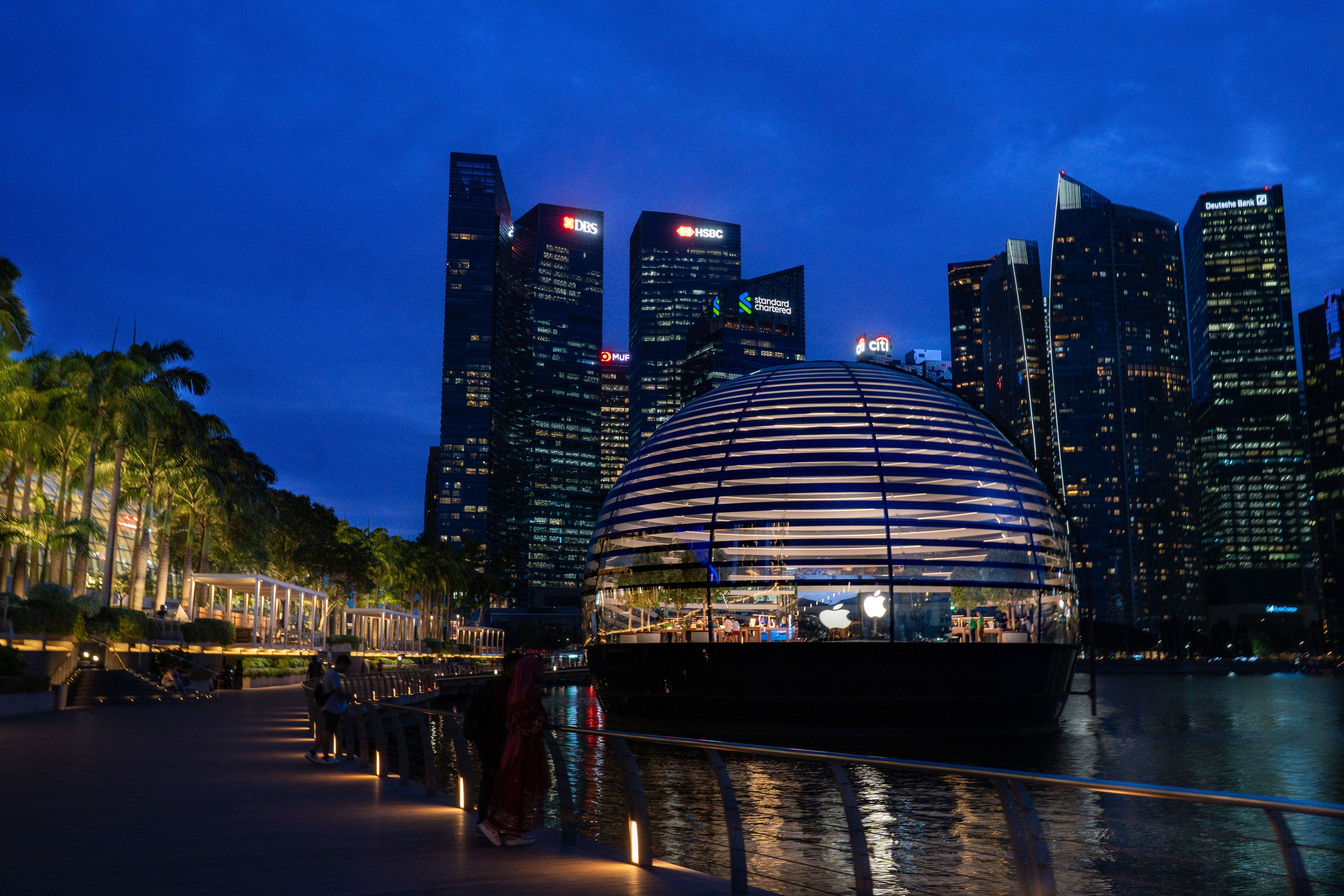
Singapore's Datacentre Hub Under Pressure as AI Hits the Infrastructure Wall
Source: iTnews Asia
AI's primary bottleneck has shifted from algorithms to physical infrastructure — power, cooling, and grid capacity. Singapore's ST Telemedia Global Data Centres CEO warns that compute constraints are now the main barrier, with 71 per cent of APAC organisations unable to move AI pilots into production.
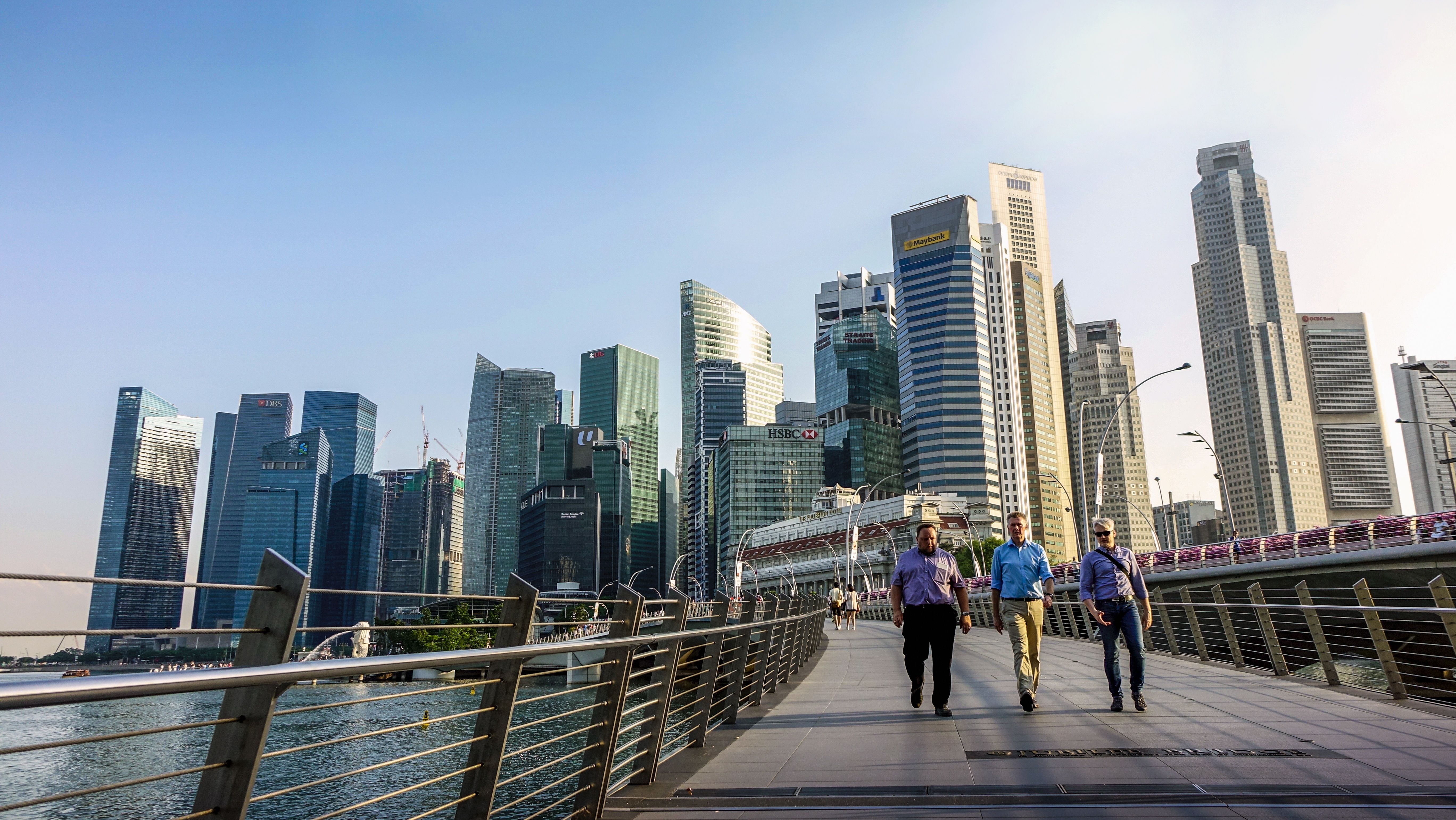
For the last five years, AI has been sold as a software story. Better models, bigger datasets, smarter algorithms. But that narrative has collided with a reality measured in gigawatts, grid connections, and concrete. As Clement Teo reports for iTnews Asia, the primary bottleneck for AI progress has shifted from algorithms to physical infrastructure — and APAC is ground zero for the squeeze. Lionel Yeo, CEO of Southeast Asia for Singapore-based ST Telemedia Global Data Centres, puts it bluntly: "Compute, power, and cooling have officially overtaken algorithms as the primary bottleneck of technological progress."
The numbers back him up. STT GDC's data shows that 71 per cent of APAC organisations are stuck in the "builder phase" — unable to move AI pilots into production. Only 17 per cent are considered genuinely future-ready. OpenAI is scaling compute three times year-over-year, from 0.2 gigawatts in 2023 to 1.9 GW in 2025. AWS added 3.9 GW of global power capacity in 2025 alone and still cannot keep pace. Datadog's 2026 report finds that nearly one in 20 AI requests fail in production, and 60 per cent of those failures stem from infrastructure constraints like rate-limiting and backend timeouts — not model errors.
For Singapore, the stakes are particularly high. The city-state has positioned itself as Southeast Asia's premier datacentre hub, but severe grid congestion across the region and underdeveloped cross-border energy interconnectivity are making it harder to maintain that status. Intel's Sumner Lemon identifies three pressure points: stretched supply chains for CPUs and specialised silicon, thermal and power density requirements that traditional facilities cannot handle, and construction lead times measured in years, not quarters. Tech giants are now choosing datacentre locations based on where they can secure an electrical connection, not where their users are.
Why it matters for Singapore: Singapore's datacentre hub status is a strategic asset for AI development in Southeast Asia, but infrastructure constraints are no longer someone else's problem. Every kilowatt that gets squeezed in the grid is a kilowatt that cannot power AI inference workloads for Singapore-based companies. The question is whether Singapore can accelerate its own energy infrastructure — grid capacity, renewable connections, cooling innovation — fast enough to keep the compute flowing.