Learning through usage, Singapore seeks AI, quantum computing edge
Source: Techgoondu
There is a fundamental tension at the heart of Singapore's AI strategy: how do you regulate a technology that is still evolving faster than the rules written for it? Minister for Digital Development and Information Josephine Teo tackled this head-on at IBM Think on July 21, offering the clearest
There is a fundamental tension at the heart of Singapore's AI strategy: how do you regulate a technology that is still evolving faster than the rules written for it? Minister for Digital Development and Information Josephine Teo tackled this head-on at IBM Think on July 21, offering the clearest picture yet of how Singapore intends to navigate agentic AI — systems that do not just generate text, but act on their own decisions.
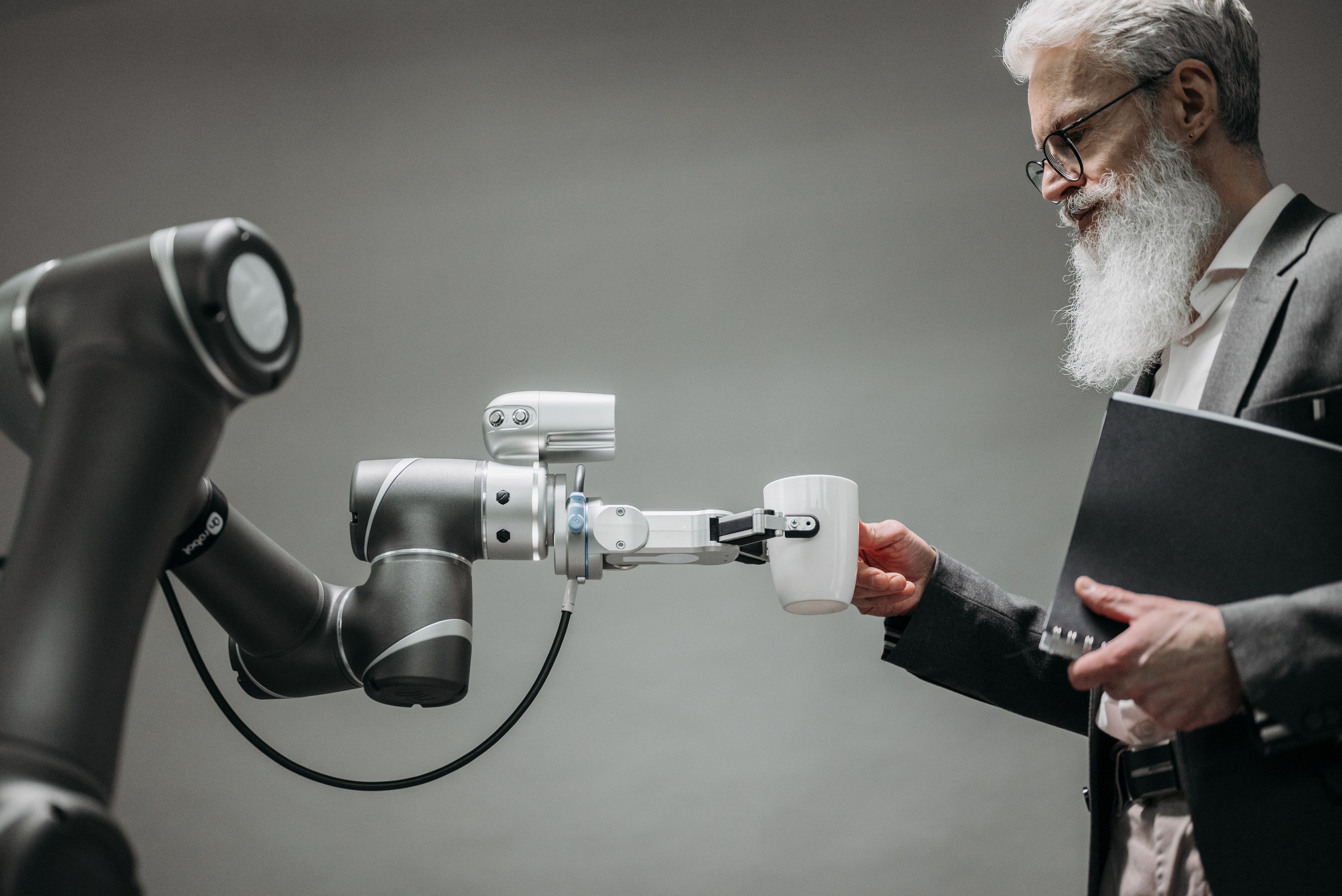
Speaking in a fireside chat with IBM senior vice-president Ana Paula Assis, Teo warned that agentic AI breaks the assumptions behind every safety system humans have ever built — fire codes, financial controls, aviation safety. "It will be quite a long time before anyone fully grasps the range of problems that could surface once agents are given room to make decisions on their own," she said. Singapore is not waiting to find out the hard way. The country launched the world's first dedicated agentic AI governance framework at the World Economic Forum in Davos earlier this year, with a priority on mapping out agent workflows before writing any guidelines. The next phase: working directly with companies deploying agents so real-world lessons feed back into the framework.
The conversation extended well beyond AI. Teo flagged quantum-safe cryptography as a growing concern, with Singapore keeping its communication networks ahead of attackers wielding quantum computers. The country is also building quantum-algorithm talent for practical sectors. At the Port of Singapore, where containers stack up to ten high, the position of each box determines how fast it can be reloaded onto the next vessel. A classical computer takes years to run those calculations at scale; quantum computing cuts that dramatically. Singapore's semiconductor advanced-packaging capabilities could also open a manufacturing angle for quantum components.
The Singapore Armed Forces is exploring quantum computing too. Military Expert 7 Guo Jinghua, commander of the SAF's C4 and Digitalisation Command, described a logistics scenario: distributing supplies using 20 trucks across 50 locations creates a quintillion possible route combinations. Every additional variable scales the problem exponentially. "There is significant advantage in national security for us to see how we can apply quantum computing, even though it is still nascent," he said.
Why it matters for Singapore: The IBM Think session underscores a deliberate shift in how Singapore approaches emerging technology governance — from writing rules first to learning through real-world deployment. The agentic AI framework is designed to evolve with field feedback, and the quantum computing investments target concrete use cases like port logistics and military planning rather than abstract research. For a small nation that cannot afford to get either regulation or adoption wrong, this learning-through-usage model may be the most pragmatic path forward.