NUS students to get ChatGPT access; AI module compulsory for incoming freshmen
Source: CNA Tech
From this August, no National University of Singapore student graduates without proving they can work with generative AI. The university's new AI strategy, unveiled on Tuesday, makes two compulsory AI courses a graduation requirement for its roughly 29,600 undergraduates across all 15 faculties and schools
From this August, no National University of Singapore student graduates without proving they can work with generative AI. The university's new AI strategy, unveiled on Tuesday, makes two compulsory AI courses a graduation requirement for its roughly 29,600 undergraduates across all 15 faculties and schools — and hands the entire campus free access to ChatGPT Edu, the education-specific version OpenAI builds for universities.
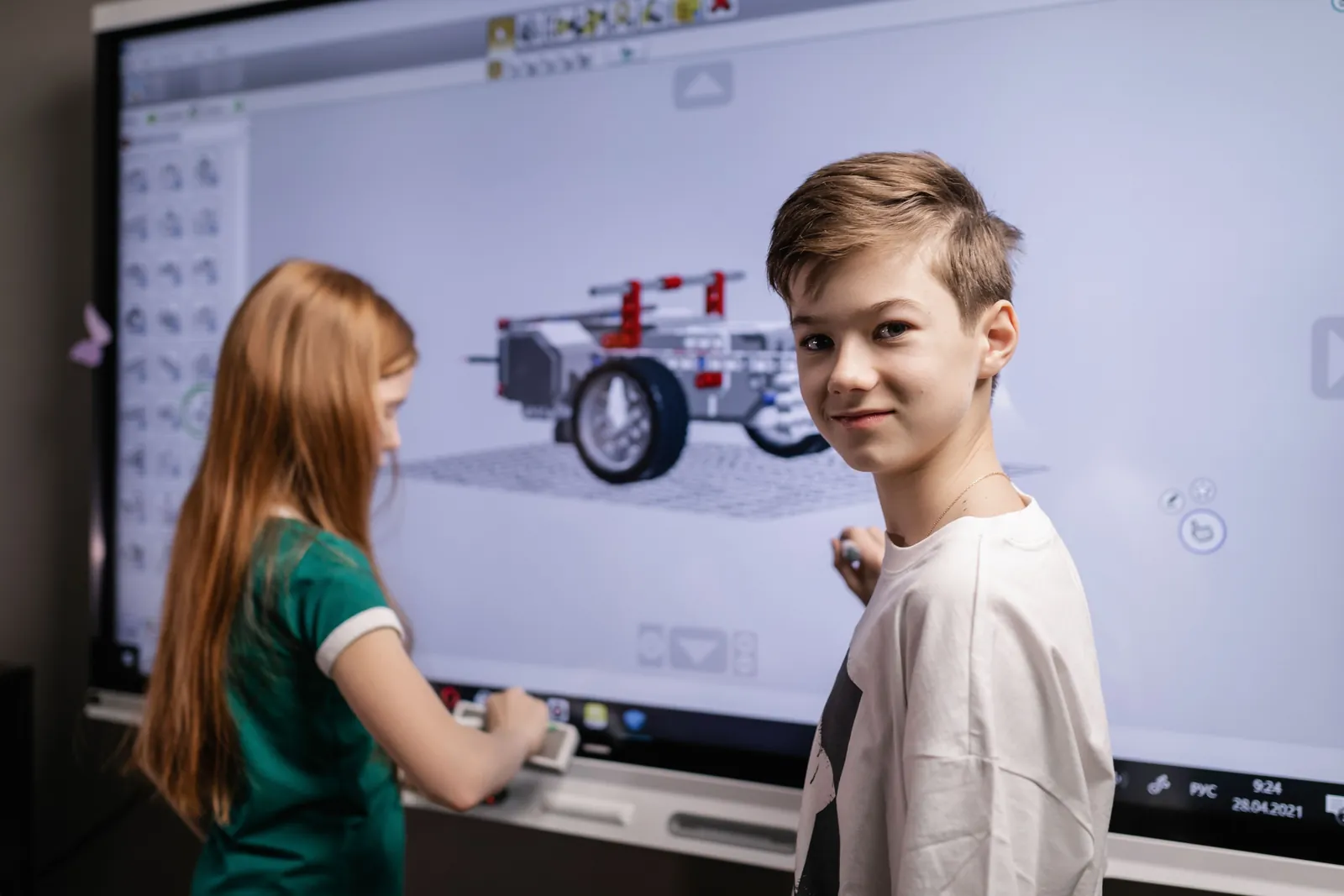
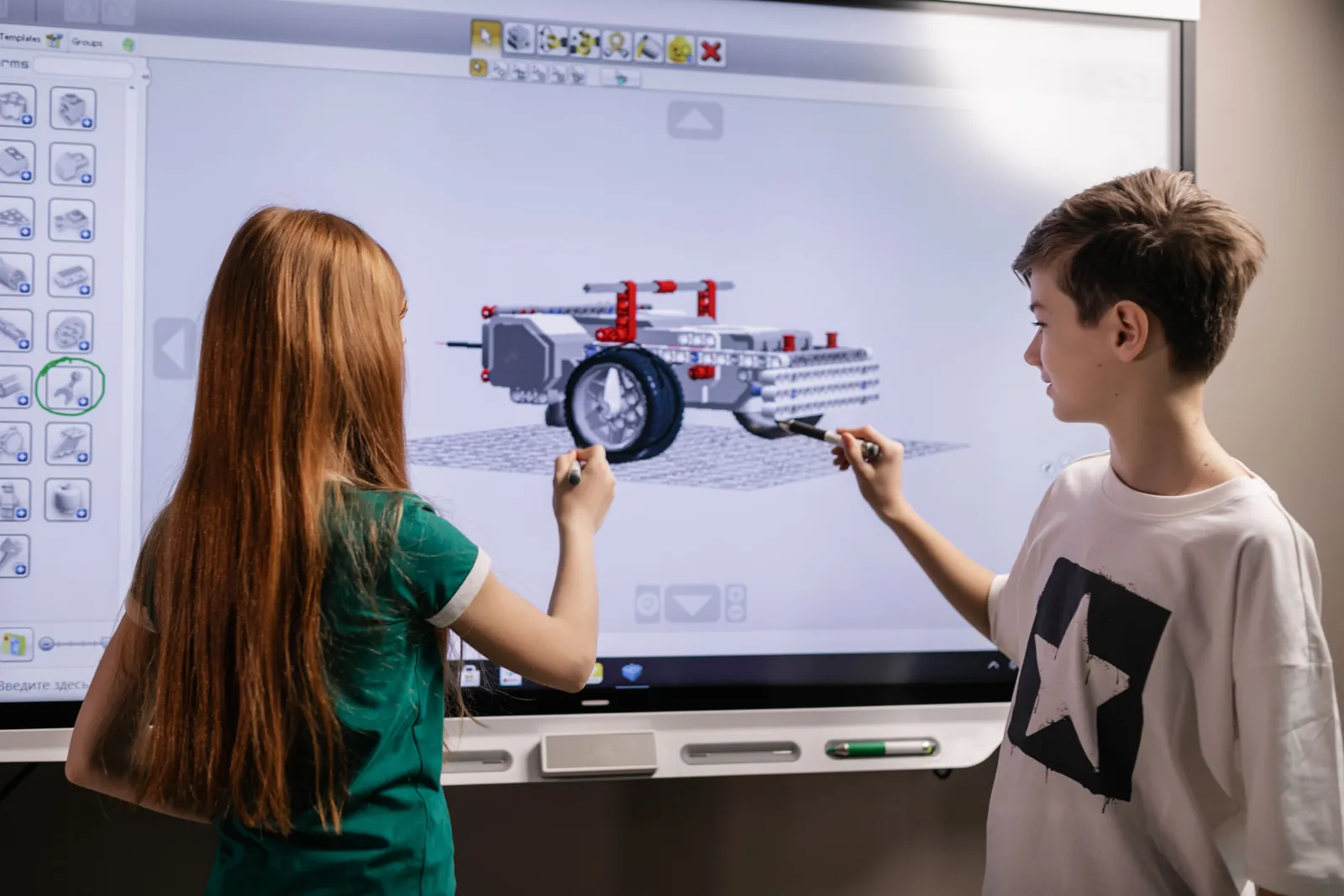
Every incoming student will take a new module called "Applied Generative AI: From Prompting to Evaluation", and students in the College of Humanities and Sciences, College of Design and Engineering, Business School and healthcare programmes — over 85 per cent of the undergraduate population — get compulsory AI courses woven into their common curriculum. Business students, for instance, take Decision Analytics using Spreadsheets and AI, while political science majors get Artificial Intelligence and Public Policy. From Aug 31, all students, faculty and staff receive baseline ChatGPT Edu access with higher message limits and stronger privacy than the free tier, alongside seven in-house AI teaching tools NUS is building, including a scenario generator for AI-powered simulations and a "Socratic coach" that responds to students with questions rather than answers.
The move completes a rapid convergence across Singapore's university sector. NTU in April mandated AI literacy for all students from August, bundling free access to premium Google AI tools. Both institutions have now effectively declared that AI fluency is a core graduate competency rather than a tech elective. NUS provost Aaron Thean framed the philosophy simply: "The core business of a university is really to develop the human, not to develop the AI." The goal, he said, is for every graduate to be "AI fluent" while a smaller group goes on to master the field.
The strategy is already visible in how NUS teaches. Nursing students train on layered AI-powered simulations where a virtual patient's condition deteriorates and the system challenges their decisions, forcing them to explain their reasoning rather than memorise answers — preparation that fourth-year student Nicholas Lau says made him calmer and more decisive during real hospital attachments. For employers, the signal is clear: graduates are arriving already fluent in the tools reshaping their industries, with the human judgment to use them responsibly.
Why it matters for Singapore: Universities are the talent engine behind the national AI agenda, and this is the most direct move yet to make AI literacy universal rather than specialised. As Singapore competes for AI investment and jobs against regional hubs, a steady pipeline of AI-fluent graduates across every discipline — not just computing — is exactly the advantage the economy needs. Expect other institutes of higher learning to follow with similar mandates as the academic year begins.