Singapore Businesses Face AI 'Trilemma' as Societal Risks Mount
Source: Eco-Business
Singapore companies face mounting pressure to address what experts call an AI "trilemma" as the technology reshapes workforces and widens inequality. DBS is cutting 4,000 roles while experts warn the city-state's governance framework remains too voluntary to manage the societal risks.
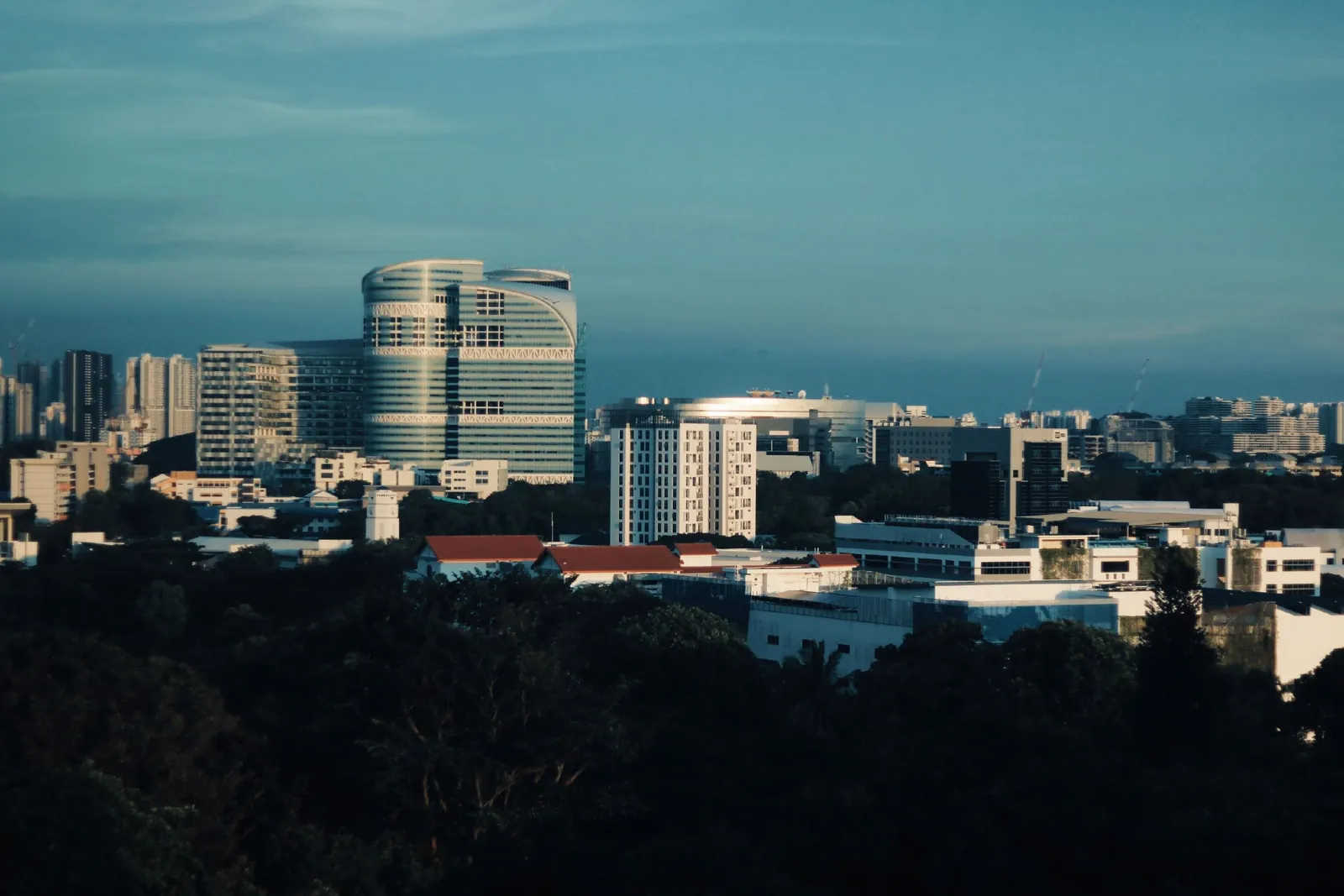
Singapore companies face mounting pressure to address what experts are calling an AI "trilemma" — the interconnected risks of environmental footprint, workforce disruption, and deepening inequality — as adoption of the technology accelerates across the city-state. A new analysis from Eco-Business argues that these societal risks are no longer niche concerns but core boardroom governance challenges requiring cross-functional leadership.
The concept comes as DBS Bank confirmed plans to cut roughly 4,000 temporary and contract roles over three years while creating around 1,000 new AI-related positions, illustrating how even cautious AI deployment reshapes entire workforces. According to ACCA's Global Talent Trends Report, 31 per cent of Singapore respondents now cite "jobs replaced by technology" as their biggest fear — a sharp jump from 8 per cent in 2025. Across Southeast Asia, roughly 70 per cent of female workers are in occupations with high exposure to automation.
Steven Okun, CEO of APAC Advisors and a longstanding governance commentator in Singapore, told Eco-Business that the challenge cuts across every sector. "The societal risks [AI] brings cut across all geographies, sectors and risks," Okun said. "This is compounded by nearly all businesses playing a role in AI's societal impact." He warned that without deliberate action, "AI's gains flow to those already ahead, widening Singapore's divides rather than closing them."
Singapore already has foundational governance tools in place — the IMDA Model AI Governance Framework, a National AI Council, and SkillsFuture as a national reskilling initiative. But Okun argues that the current approach remains too voluntary and innovation-focused. The responsibility for reskilling, he says, cannot fall solely on individual workers. "Singapore's response will fall short unless businesses and investors step up too," he added. Dean Hezekiah, Policy and Insights Manager at ACCA, noted that entry-level roles are shifting from routine processing toward data analysis and insight generation, and that SaaS platforms often have clauses allowing AI to use client data to improve products — creating a mismatch with regulatory expectations.
Why it matters for Singapore: As the city-state pushes to become a global AI hub, the gap between ambitious adoption targets and robust governance frameworks is becoming harder to ignore. Experts recommend that companies treat AI risk with the same seriousness as climate risk — embedding it alongside environmental and geopolitical factors in boardroom planning. Without this shift, the same AI tools driving productivity gains could widen the inequality they are meant to help bridge, testing Singapore's social compact in the process.