Singapore Must Move in the Right Direction on AI, Not Just Move Fast, Says Minister Josephine Teo
Source: Techgoondu
"Speed is not such a good thing if we're headed in the wrong direction." That's Minister Josephine Teo's measured take on Singapore's AI approach. The refreshed National AI Strategy doubles down on four AI Missions — advanced manufacturing, financial services, connectivity, and healthcare.
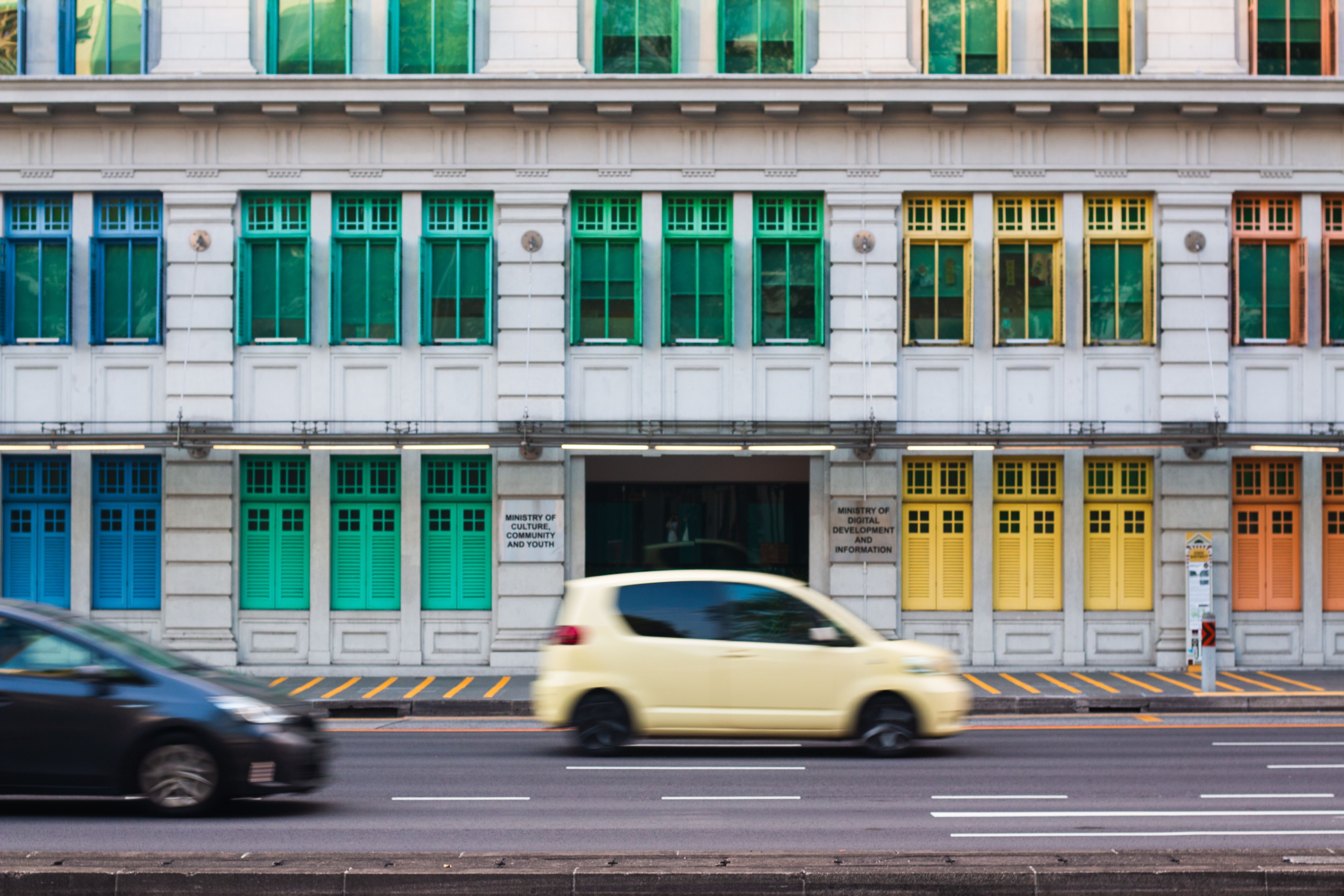
"Speed is not such a good thing if we're headed in the wrong direction." That's Minister Josephine Teo's framing of Singapore's approach to AI, captured in a recent Q&A with Techgoondu. It's a characteristically measured take from the Minister for Digital Development and Information — one that acknowledges the global race to deploy AI while insisting that doing it right matters more than doing it fast. For a small, open economy that has positioned itself as a living lab for AI experimentation, that distinction carries real weight.
In the interview, Minister Teo laid out Singapore's refreshed National AI Strategy (NAIS) as more of a "double-click than a system reboot." The strategy doubles down on four National AI Missions — advanced manufacturing, financial services, connectivity, and healthcare — sectors that collectively account for roughly 40 per cent of Singapore's GDP. The approach is deliberate: pick areas where Singapore already has structural advantages and scale AI transformation there, rather than spreading resources thinly across every possible use case.
Teo also addressed how Singapore evaluates partnerships with global AI leaders like OpenAI, Google, and Nvidia. The criteria are twofold: a collaboration must fit Singapore's needs — at this stage, widespread AI adoption — and Singapore must bring something to the table. The partnerships that have emerged, from OpenAI's Applied AI Lab to Nvidia's embodied AI research lab, reflect this alignment. They all share a common goal: helping Singapore move from AI experimentation to real-world deployment.
On workforce readiness, Teo described a "spectrum" approach. At baseline, every Singaporean should be able to use AI safely and sensibly. Beyond that, workers need to combine AI fluency with domain expertise — what the government calls becoming "AI bilingual." The plan targets 100,000 workers in professions like accountancy and law, while 150,000 public officers will receive digital and AI skills training through the new Institute of Digital Government. AI literacy is now part of the school curriculum, and the government itself is embedding AI into public services.
Why it matters for Singapore: This Q&A offers the clearest signal yet of how the government is thinking about the AI transition — not as a technology upgrade, but as a structural economic shift requiring deliberate pacing, targeted partnerships, and inclusive workforce planning. Minister Teo's refusal to prioritise speed over direction is a refreshing antidote to the breathless "move fast and break things" ethos that defined previous tech cycles. For Singaporean workers, businesses, and AI practitioners, the message is clear: the government is placing its bets on depth over breadth, and it expects the ecosystem to build accordingly.