Singapore to Turn Jurong Island Into AI-Ready Datacentre Hub
Source: Computer Weekly
Singapore is preparing to transform Jurong Island, its petrochemical and energy hub, into a global reference point for sustainable, AI-scale digital infrastructure, according to a newly published report from Iron Mountain, Baringa, JTC Corporation and the Economic Development Board.
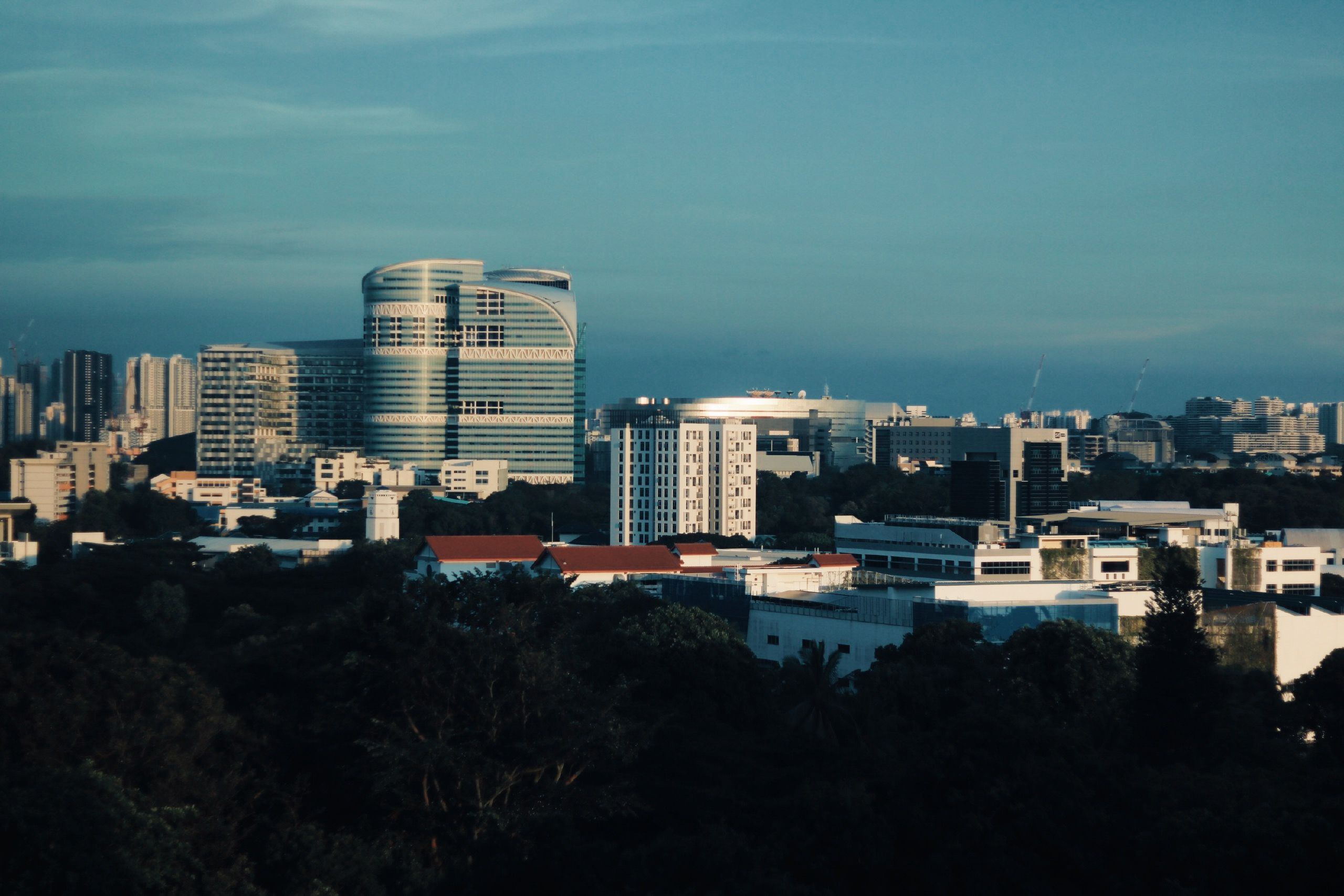
Singapore is preparing to transform Jurong Island, its petrochemical and energy hub, into a global reference point for sustainable, AI-scale digital infrastructure, according to a newly published report from Iron Mountain, Baringa, JTC Corporation and the Economic Development Board. The plan proposes treating land, energy, carbon and data as a single design space, shifting from isolated datacentre builds to deeply integrated industrial-scale ecosystems that could reshape how constrained economies approach AI infrastructure.
Jurong Island already hosts more than 100 global companies with over S$60 billion in accumulated investments. Under the new vision, nearly 300 hectares have been earmarked for new energy systems, and a 20-hectare low-carbon datacentre park will host up to 700 megawatts of compute capacity. A key innovation is the use of "cold energy" from liquefied natural gas regasification — LNG arrives at -161°C and is warmed with seawater, providing a stable low-carbon cooling source that reduces electricity demand and supports higher-density compute. The island is also set to become the Asia-Pacific's first fully integrated IT asset lifecycle ecosystem, a market projected to be worth US$30 billion.
Global electricity demand from datacentres is projected to more than double to roughly 945 terawatt-hours by 2030, pushing traditional infrastructure models to their limits. "Globally, the issue isn't ambition — it's headroom. Digital infrastructure is hitting hard limits that are redefining what 'viable' looks like," said Michael Goh, vice president and general manager for Asia-Pacific and EMEA at Iron Mountain. The Jurong Island concept positions Singapore as a sovereign data vault, with infrastructure built for persistence — immutable, air-gapped copies and verifiable recovery environments — and even explores geological separation such as underground datacentres for protection against extreme weather and electromagnetic interference.
The economic impact is expected to extend well beyond raw compute capacity. The integrated ecosystem will drive high-skill job creation in data governance, cybersecurity and advanced analytics, generating a powerful multiplier effect for Singapore's economy while proving that land-constrained nations can lead in AI infrastructure without compromising net-zero commitments. Baringa partner Darren Yong noted that "the industries of the future will require a more innovative, system-level approach — connecting energy, digital infrastructure, carbon and capital into one coherent platform. Singapore is demonstrating what that future looks like."
Why it matters for Singapore: As one of the most land-constrained countries in the world, Singapore faces an acute version of the global tension between AI compute demand and net-zero targets. The Jurong Island blueprint offers a replicable model for turning a constraint into a competitive advantage — pairing heavy industry with next-generation digital infrastructure. If executed, it would cement Singapore's position as a serious AI infrastructure player while directly addressing the energy and sustainability questions that have shadowed the global datacentre boom.