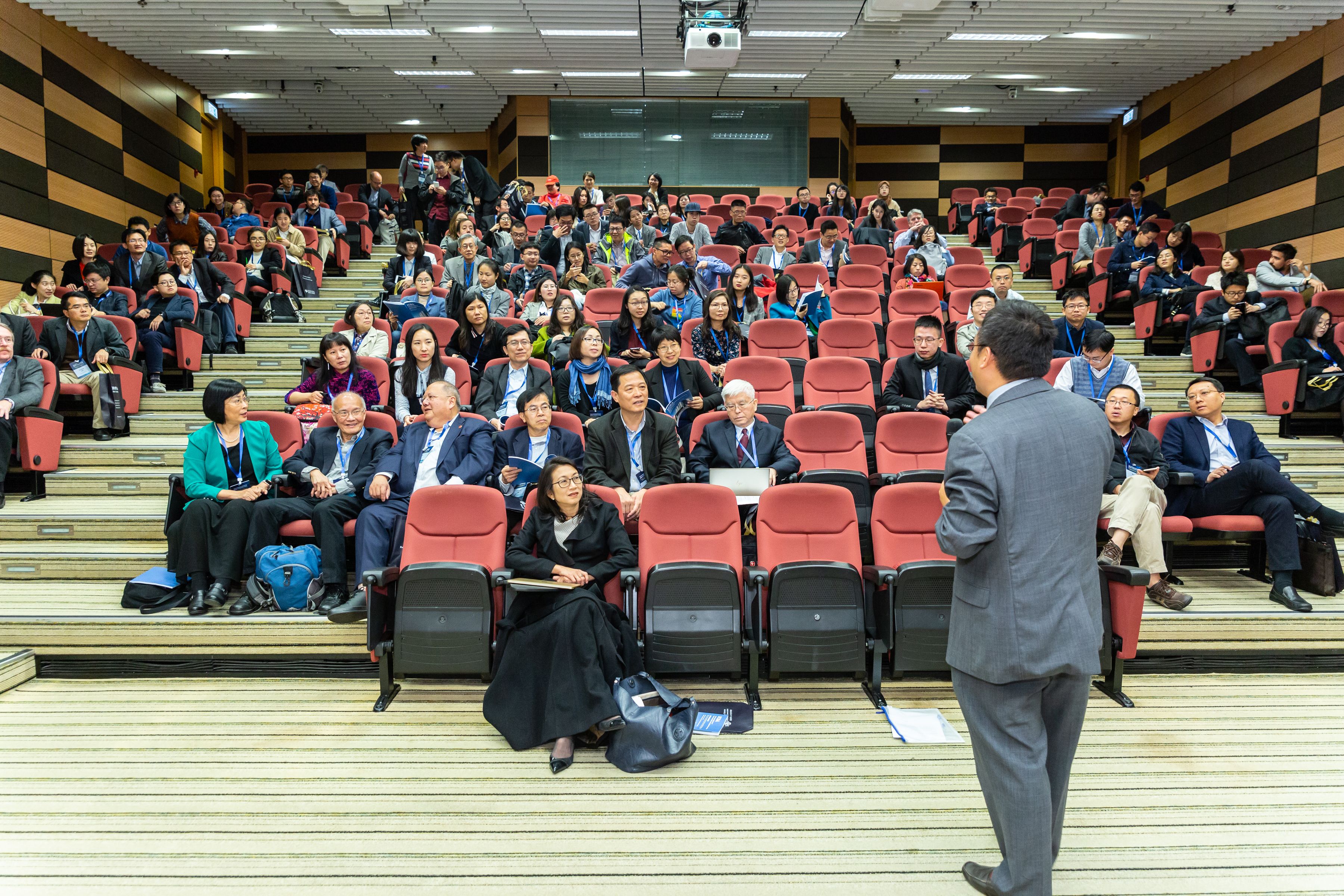
SuperAI Singapore: Arm and Cerebras Tackle AI Inference Bottlenecks
Source: Digitimes Asia
A panel at SuperAI Singapore brought together chip designers Arm and Cerebras to confront a problem that the AI industry has been reluctant to acknowledge: inference — the step where a trained AI model actually runs — is becoming the bottleneck that no amount of raw GPU compute alone can solve. The.
A panel at SuperAI Singapore brought together chip designers Arm and Cerebras to confront a problem that the AI industry has been reluctant to acknowledge: inference — the step where a trained AI model actually runs — is becoming the bottleneck that no amount of raw GPU compute alone can solve. The discussion made the case that breaking the inference barrier requires a rethink of the whole system architecture, from memory hierarchy to network topology, not just faster chips.
SuperAI Singapore, held in June, has become one of Asia's premier gatherings for the AI infrastructure crowd. This year's panels reflected a shift in focus from model training — which dominated conversations in 2023 and 2024 — to inference efficiency, as enterprises deploying AI in production face the reality that running models at scale is far more expensive and complex than training them. Arm argued for a more distributed, energy-efficient approach to inference, leveraging its architecture's strength in low-power processing. Cerebras, known for its wafer-scale chips, made the case for reducing data movement — the single biggest cost in AI inference — by keeping models and data on the same silicon.
The timing of the discussion is critical for Singapore, where AI adoption is accelerating across banking, logistics, healthcare, and government services. Inference costs are emerging as the primary barrier to enterprise AI ROI — a model may work beautifully in a demo but become uneconomical at production scale. Solutions that reduce inference cost and latency directly affect whether Singapore businesses can actually justify their AI investments.
The panel also highlighted a larger theme: the AI hardware market is no longer a two-player race between Nvidia and AMD. Arm's growing presence in server CPUs and Cerebras' wafer-scale approach are creating genuine architectural alternatives, and Singapore — as a neutral, open market with no domestic chip champion to protect — is uniquely positioned to evaluate and adopt the best technologies from every vendor. That neutrality gives Singapore-based AI operators flexibility that their counterparts in the US, China, or Europe may not have.
Why it matters for Singapore: SuperAI Singapore has become a bellwether for where the global AI infrastructure industry is heading. The Arm-Cerebras discussion signals that the inference efficiency problem is moving from fringe concern to mainstream focus — and that Singapore's AI ecosystem, which runs heavily on inference (as opposed to training massive foundation models), stands to benefit disproportionately from innovations that make inference cheaper and faster. For Singapore businesses evaluating AI deployment, the key takeaway is that inference costs are not fixed — architectural choices made now will determine whether AI is a profit centre or a cost centre down the line.